
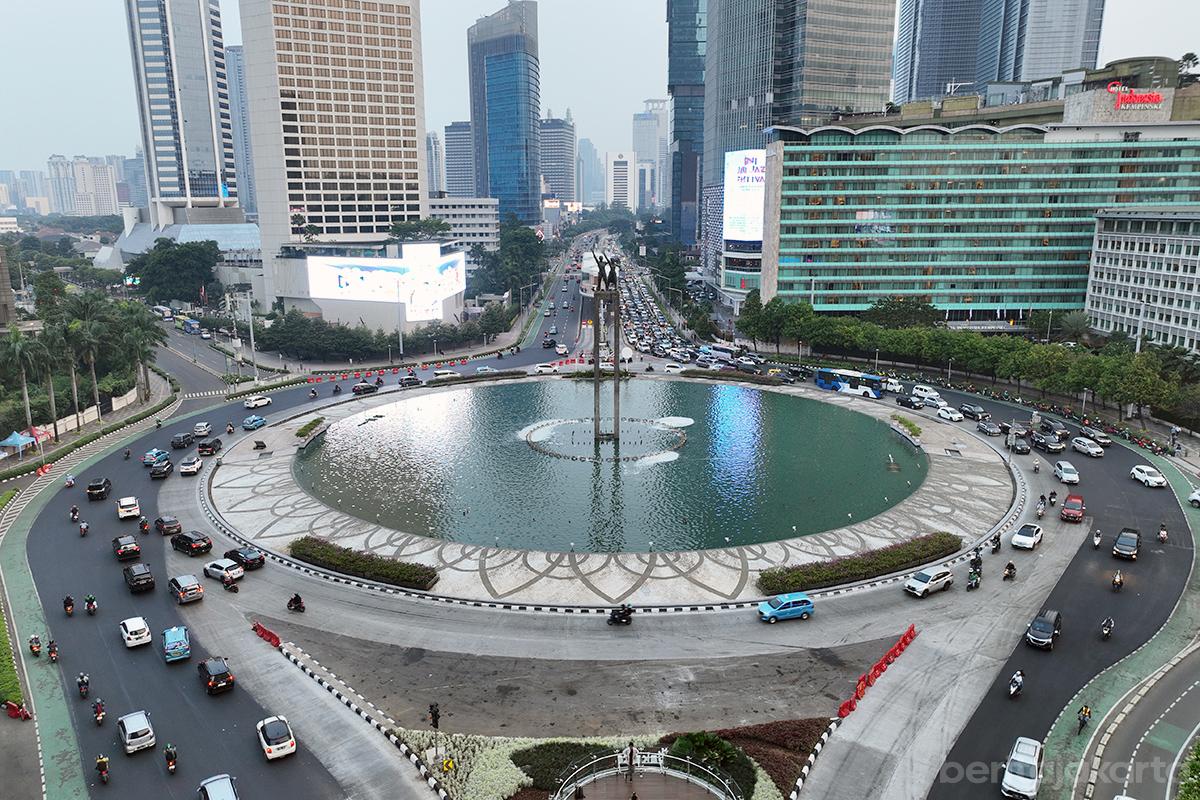
Toward Five Centuries: Jakarta Showcases Global City Progress
Reported by Fakhrizal Fakhri | Translated by Nugroho Adibrata
Jakarta City Council Commission D Member, Pantas Nainggolan suggests that Jakarta's nearly 500-year history should be a turning point for the city to show real growth on the global stage.
Reaching 500 years is a milestone of significant maturity
In his view, Jakarta needs to see major improvements across various global standards, from its infrastructure and green spaces to its public services.
"Reaching 500 years is a milestone of significant maturity. There should be a marked difference between Jakarta as it turns five centuries old and its previous eras. Global city benchmarks, such as infrastructure and open spaces, must be constantly enhanced,” he remarked, Thursday (6/18).
Commission D Pushes Long-Term Waste Management Road MapAccording to him, such initiatives should be synchronized with the Jakarta government’s objective to improve Jakarta’s position within the ranks of global cities over the next few years. Consequently, various supporting infrastructure and facilities must continue to be revamped.
He also expressed appreciation for several development projects completed ahead of Jakarta’s 499th Anniversary. He noted, the inauguration of these completed projects can serve as a catalyst for regional agencies, the private sector, and the central government to accelerate development.
“Once they are ready, feel free to open them. Having more parks and finished public facilities is obviously good for everyone,” he noted.
He also warned against letting development end with just ceremonies or plan announcements, emphasizing that people need real results they can actually use and feel.
“There's no need for all the hype about building something new. Just inaugurate it once it’s done. What’s important is getting the job done and ensuring the community feels the impact,” he emphasized.
He also backed the idea of keeping development on track despite various community dynamics. He believes that while every project needs good communication, the needs of the public should always take precedence.
“Development has to be for the many, not the few. Public interest shouldn't be held back by the actions of a small minority,” he concluded.